


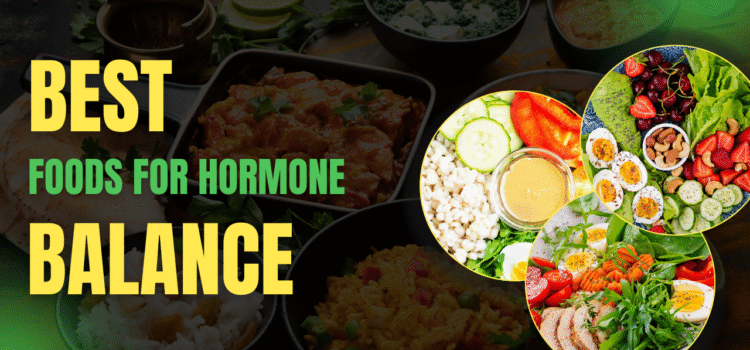
Best Foods for Hormone Balance
Hormones play a powerful role in your overall health. From energy levels and mood to weight management and reproductive health, balanced hormones are essential for living well. But in today’s fast-paced US lifestyle, processed foods, high stress, and lack of sleep often disrupt this delicate balance. The good news? You can support your body naturally by choosing the best foods for hormonal balance.
In this guide, we’ll explore science-backed foods, US-specific nutrition trends, expert insights, and simple dietary tips to help you maintain healthy hormones. Whether you’re dealing with fatigue, irregular cycles, or stress-related issues, these foods can make a meaningful difference.
Why Hormone Balance Matters
Hormones act like messengers in the body, controlling growth, metabolism, fertility, and even mental health. When they’re out of sync, you may experience:
-
Weight fluctuations
-
Mood swings or anxiety
-
Sleep problems
-
Skin issues like acne
-
Low energy or brain fog
According to the American Hormone Health Association, nearly 80% of women and 60% of men in the US report symptoms related to hormone imbalance at some point in their lives. Diet is one of the most powerful tools for regaining balance.
The Best Foods for Balancing Hormones
1. Fatty Fish (Salmon, Sardines, Mackerel)
Rich in omega-3 fatty acids, fatty fish help lower inflammation and support hormone production. They also aid brain health and reduce cortisol (the stress hormone).
👉 Tip: Choose wild-caught Alaskan salmon or US-based sustainable options for the highest nutrient value.
2. Leafy Greens (Spinach, Kale, Swiss Chard)
Greens are packed with magnesium, which helps regulate cortisol and support better sleep. They’re also high in fiber, keeping blood sugar levels steady.
👉 Pro tip: Add spinach to your morning smoothie for an easy boost.
3. Avocados
Avocados are rich in healthy monounsaturated fats, which are essential for producing estrogen and testosterone. They also provide potassium, which aids adrenal gland function.
4. Cruciferous Vegetables (Broccoli, Brussels Sprouts, Cauliflower)
These vegetables contain indole-3-carbinol, which supports the liver in metabolizing excess estrogen. That’s especially helpful for women experiencing PMS or perimenopausal symptoms.
5. Berries (Blueberries, Raspberries, Strawberries)
High in antioxidants, berries reduce oxidative stress that can disrupt hormone function. They also regulate insulin, a key hormone for weight and energy.
6. Nuts and Seeds (Flaxseeds, Walnuts, Pumpkin Seeds)
Seeds like flax contain phytoestrogens that naturally support estrogen balance. Walnuts and pumpkin seeds provide zinc and selenium, both important for thyroid health.
👉 Try “seed cycling”—a US wellness trend where different seeds are consumed during menstrual phases to support hormone health.
7. Eggs
Eggs are a complete protein source and rich in choline, vitamin D, and healthy fats. They help regulate insulin and support reproductive hormones.
8. Fermented Foods (Yogurt, Kefir, Sauerkraut, Kimchi)
Gut health and hormones are closely linked. Fermented foods supply probiotics that balance gut bacteria, improving estrogen metabolism and reducing bloating.
9. Whole Grains (Quinoa, Brown Rice, Oats)
Unlike refined carbs, whole grains keep blood sugar stable, preventing insulin spikes. They also provide B vitamins, which are crucial for adrenal gland support.
10. Dark Chocolate (70% or Higher)
Yes, a little dark chocolate is good for hormones! It helps reduce cortisol, supports serotonin production, and provides magnesium.
Centric Nutrition Insights
-
Organic & Non-GMO Options: Many Americans now prioritize organic produce to avoid pesticides that disrupt hormones.
-
Plant-Based Trends: According to a 2023 US survey, 39% of adults are trying to eat more plant-based meals, supporting better hormone balance.
-
Supplements & Fortified Foods: While whole foods should come first, vitamin D-fortified dairy and omega-3 supplements are commonly used in the US to support hormone health.
Practical Tips for Eating Hormone-Balancing Foods
-
Start Your Day Right – Swap sugary cereals for oatmeal with flaxseeds and berries.
-
Follow the 80/20 Rule – Eat hormone-friendly foods 80% of the time, while allowing occasional treats.
-
Meal Prep – Batch cook hormone-balancing meals for busy US workweeks.
-
Hydrate – Dehydration can worsen cortisol spikes. Aim for 8–10 glasses daily.
-
Limit Processed Foods – High sugar and refined carbs are top contributors to insulin resistance.
Expert Opinions
Dr. Sara Gottfried, a US-based hormone expert, notes:
“Food is the most powerful medicine for hormone balance. By eating the right nutrients daily, many people can restore energy, mood, and metabolism naturally.”
FAQs About Foods for Hormone Balance
Q1: How quickly can foods balance hormones?
Most people notice improvements in 2–3 weeks of consistent eating.
Q2: Do men and women need different foods for hormone balance?
Both benefit from the same foods, but women may need more estrogen-supporting foods (like flaxseeds), while men may need more zinc-rich foods (like pumpkin seeds).
Q3: Can diet replace hormone therapy?
Not always. For severe imbalances, consult a US healthcare provider. But diet plays a critical supportive role.
Q4: What foods should I avoid for hormone health?
Limit soda, fried foods, refined carbs, and excess alcohol—all linked to hormone disruption.
Balancing hormones doesn’t require drastic diets or expensive supplements. By incorporating the best foods for hormonal balance—like fatty fish, leafy greens, seeds, and whole grains—you can improve your energy, mood, and overall health naturally.