





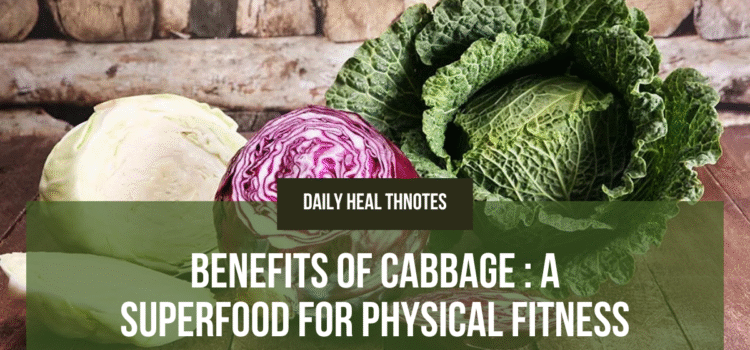
Benefits of Cabbage: A Superfood for Physical Fitness
Cabbage may look like a simple leafy green, but it’s a powerhouse of nutrients and health-promoting compounds. Whether eaten raw in coleslaw, sautéed with spices, or fermented into kimchi or sauerkraut, cabbage offers a long list of benefits for anyone focused on physical fitness and overall well-being. In this blog, we’ll explore the benefits of cabbage, including the health benefits of cabbage backed by modern science, and uncover the 7 potential health benefits of cabbage that make it a must-have in your fitness and nutrition plan.
Health Benefits of Cabbage for Physical Fitness
Rich in Antioxidants for Recovery
Cabbage contains high levels of polyphenols and sulfur compounds that help combat oxidative stress, a common byproduct of intense exercise. These antioxidants support muscle recovery and reduce inflammation.
Quote: “Cabbage is rich in antioxidants like anthocyanins and flavonoids, which help reduce exercise-induced inflammation.” – Dr. Maria Roberts, Sports Nutritionist
Supports Digestive Health and Gut Flora
The fiber content in cabbage helps regulate bowel movements and promote a healthy gut microbiome, which is essential for nutrient absorption and immunity.
- Promotes regular digestion
- Encourages the growth of beneficial bacteria (especially in fermented cabbage)
- Prevents bloating and discomfort
Boosts Immunity and Reduces Fatigue
With its high vitamin C content, cabbage helps strengthen your immune system and keep fatigue at bay. This is particularly helpful for athletes and gym-goers who are prone to stress-related immunity dips.
Helps in Weight Management
Low in calories and high in fiber, cabbage keeps you full for longer. It’s an ideal food for calorie-conscious individuals without compromising on nutrients.
Pro Tip: Add shredded cabbage to salads, wraps, or soups to increase volume without the extra calories.
7 Potential Health Benefits of Cabbage
1. May Help Lower Cholesterol
Cabbage contains soluble fiber and plant sterols that can help reduce LDL (bad) cholesterol levels, supporting cardiovascular health.
2. Contains Anti-Cancer Compounds
Studies suggest that glucosinolates in cabbage may have cancer-fighting properties by inhibiting the growth of harmful cells.
3. Supports Healthy Blood Pressure
Rich in potassium, cabbage helps balance sodium levels in the body and may contribute to lower blood pressure.
4. Enhances Bone Strength
Vitamin K in cabbage plays a crucial role in maintaining bone mineral density and preventing fractures.
5. Improves Brain Health
Red cabbage, in particular, is rich in anthocyanins, which have been linked to improved memory and cognitive function.
6. Aids in Detoxification
Sulfur compounds help activate enzymes in the liver that remove toxins from the body.
7. Strengthens Skin and Hair
Thanks to its vitamin C and sulfur content, cabbage contributes to collagen formation, resulting in healthier skin and stronger hair.
Ways to Add Cabbage to Your Fitness Meal Plan
- Cabbage Smoothies: Blend red cabbage with apple, ginger, and lemon
- Sautéed Cabbage Stir-fry: Lightly cooked with olive oil and garlic
- Fermented Cabbage: Kimchi or sauerkraut for probiotics
- Cabbage Wraps: Use cabbage leaves as a substitute for tortillas
- Salads: Mix shredded cabbage with carrots and Greek yogurt dressing
Why You Should Eat More Cabbage
The benefits of cabbage go far beyond its humble appearance. From promoting gut health and reducing inflammation to enhancing recovery and supporting weight loss, this leafy green is a true superfood. Whether you’re a fitness enthusiast or just looking to improve your diet, cabbage deserves a regular spot on your plate.
Incorporating the health benefits of cabbage into your routine can be both easy and affordable. With so many different ways to prepare it, you’ll never run out of options. Don’t overlook the 7 potential health benefits of cabbage—your body will thank you!
Start today. Add a little cabbage to your meals and elevate your physical fitness naturally.

